
Fund-of-funds teams operate across two layers of relationships: their limited partners and the underlying fund managers they allocate to. Each side involves ongoing communication, evaluation, and coordination that spans multiple funds and long time horizons. Maintaining a clear view of these interactions is central to how teams manage both capital allocation and investor relationships.
Most CRM systems are not designed for this structure. Information often sits across separate records, making it difficult to connect LP conversations with GP relationships or track how interactions evolve. As activity increases, teams rely on internal knowledge and scattered systems to stay coordinated.
A CRM for fund-of-funds teams should bring these relationship layers together, with full visibility into communication history and shared access across the team.
In this article, we’ll discuss the top 5 best fund-of-funds CRMs of 2026. You’ll see how platforms like Rings AI’s investor CRM provide a more consistent way to manage both LP and GP relationships within a single system.
The Unique Requirements of Fund-of-Funds CRM
Fund-of-funds teams manage relationships across both LPs and underlying fund managers. Each side involves ongoing communication, evaluation, and coordination that extends across multiple funds and investment cycles.
Managing both LP and GP relationships - Teams maintain parallel relationships with investors and external managers, each requiring consistent tracking of interactions, updates, and decisions.
Ongoing monitoring and communication - Engagement with underlying funds continues after allocation, including performance discussions, updates, and follow-ups over time.
Long timelines across multiple funds - Relationships extend across years, often carrying forward into new funds and re-investment decisions.
Shared context across the team - Multiple team members interact with the same LPs and GPs, requiring access to a unified view of communication history.
Limitations of Most CRMs for Fund-of-Funds Teams
Most CRMs organize data around linear processes and predefined stages. This structure does not map well to fund-of-funds workflows, where relationships span multiple entities and evolve over long periods.
Fragmented records across LPs, GPs, and internal interactions
Dependence on pipeline structures that do not reflect ongoing relationships
Limited visibility into how different team members engage with the same contacts
Difficulty connecting historical interactions across funds and investment cycles
Reliance on manual tracking to maintain continuity
5 Best Fund-of-Funds CRM in 2026
Fund-of-funds teams manage relationships across both investors and underlying managers, often across multiple funds and long time horizons. This creates a need for consistent access to communication history, clear visibility across the team, and a structured way to track interactions without losing context. Choosing the right CRM depends on how well it supports these layered relationships rather than how many features it offers.
Rings AI (Best for relationship-driven teams)
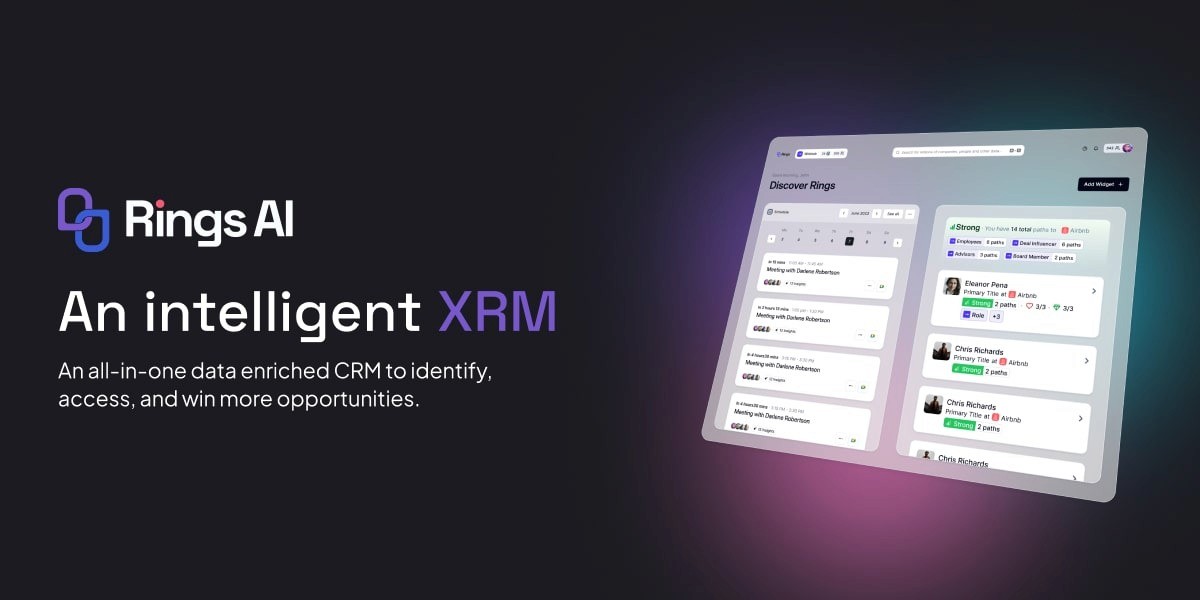
Rings AI is designed for investor teams that prioritize relationship continuity and shared context across LPs and underlying managers. Instead of organizing data around processes, it keeps information tied to people and firms, making it easier to track interactions across funds and over time.
Relationship-first data model - Information is structured around people and firms, supporting both LP and GP relationships within a single system
Complete interaction history - Emails, meetings, and notes are connected, providing a continuous view of each relationship over time
Team-wide network visibility - Insight into who within the firm is connected to each contact, improving coordination across LP and GP engagement
Shared institutional memory - Relationship context is accessible across the team, reducing reliance on individual knowledge
AI-assisted context retrieval - Quickly surface relevant history before meetings and follow-ups
Flexible structure across workflows - Supports both investor relations and manager tracking without forcing rigid stages
Designed for long-term relationship tracking - Maintains continuity across multiple funds and investment cycles
Rings AI is built for teams that manage layered relationships and need consistent access to communication history.
Affinity
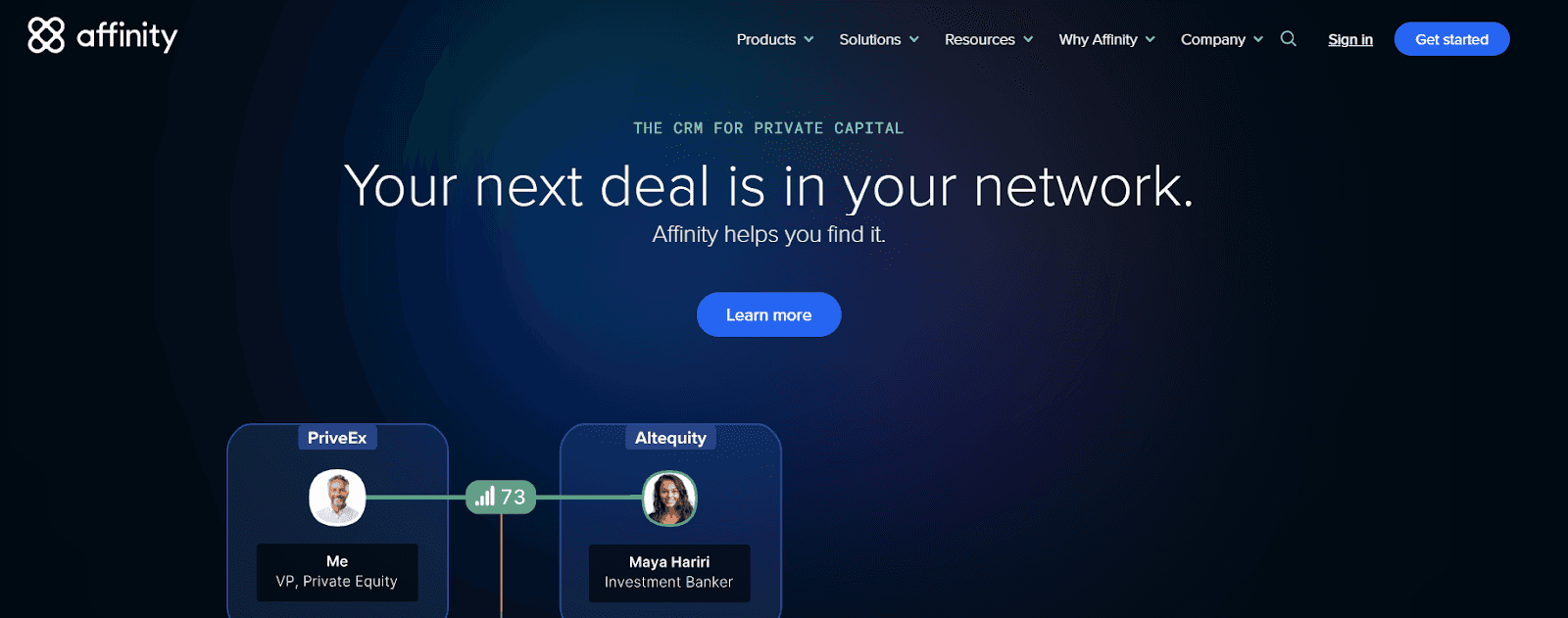
Affinity is designed around relationship intelligence, using automated data capture from email and calendar activity to map interactions across a team’s network. It provides visibility into communication patterns and helps track engagement across contacts.
Automated data capture - Syncs email and calendar activity to maintain up-to-date contact records
Relationship insights - Surfaces interaction frequency and engagement levels across contacts
Lightweight setup - Quick to implement without extensive configuration
Limited workflow depth - Less suited for teams managing layered LP and GP relationships over long timelines
DealCloud
DealCloud is built for teams that require structured workflows and detailed process tracking across investments and relationships. It is commonly used in environments where managing pipelines, approvals, and reporting is central to operations.
Structured workflow management - Supports defined processes for tracking deals and related activities
Customizable data models - Allows teams to configure fields and records based on internal requirements
Reporting capabilities - Provides tools for generating structured reports across tracked data
Less flexible for relationship continuity - Interaction history is often tied to processes rather than maintained as a continuous relationship record
Salesforce
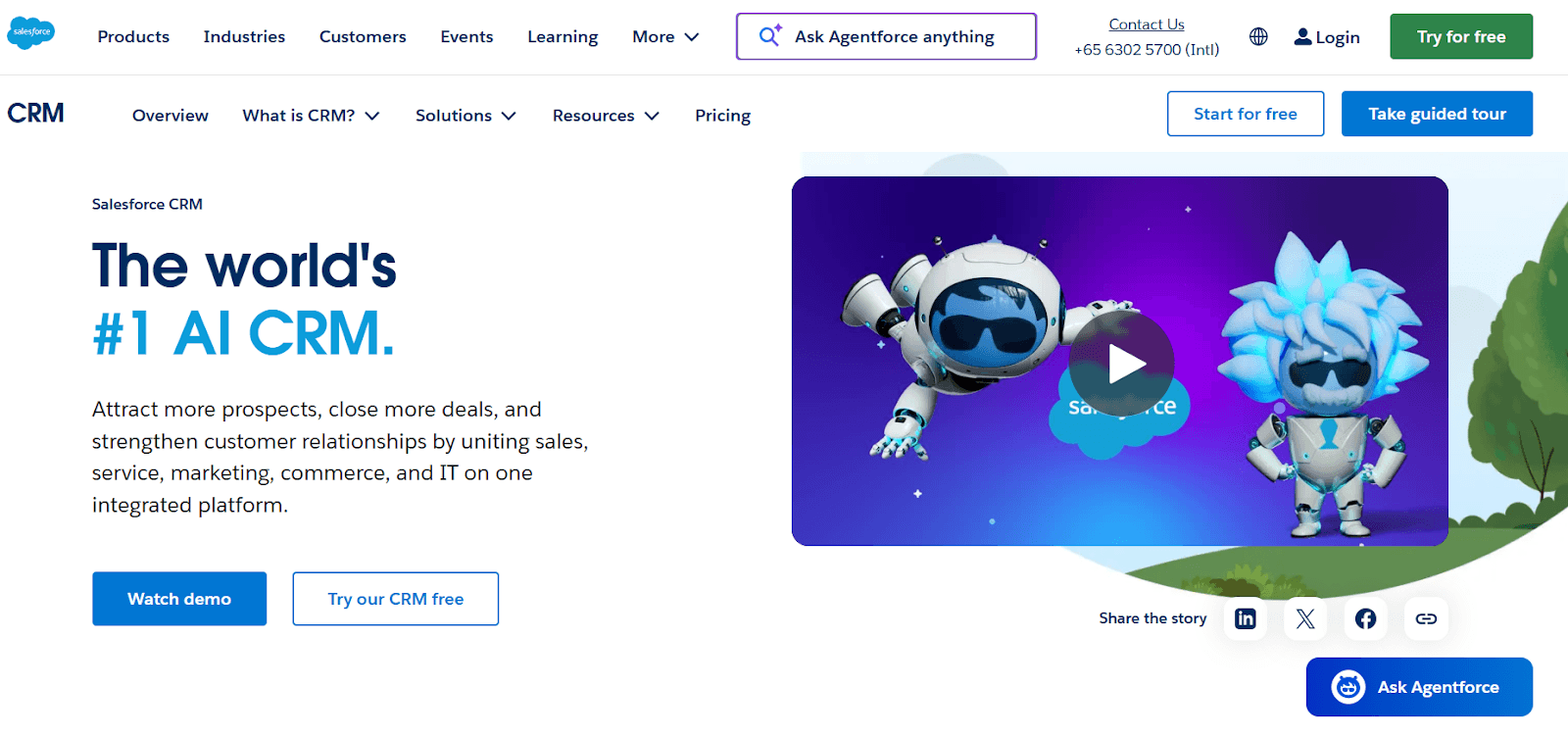
Salesforce is a general-purpose CRM that can be configured to support a range of workflows, including investor-related use cases. It is often used by larger organizations that require flexibility across different teams and processes.
Customizable platform - Supports tailored data structures and workflows based on internal needs
Extensive integration ecosystem - Connects with a wide range of third-party tools and systems
Scalable architecture - Handles large volumes of data and complex organizational setups
Requires ongoing configuration - Needs setup and maintenance to fit investor-specific workflows
HubSpot
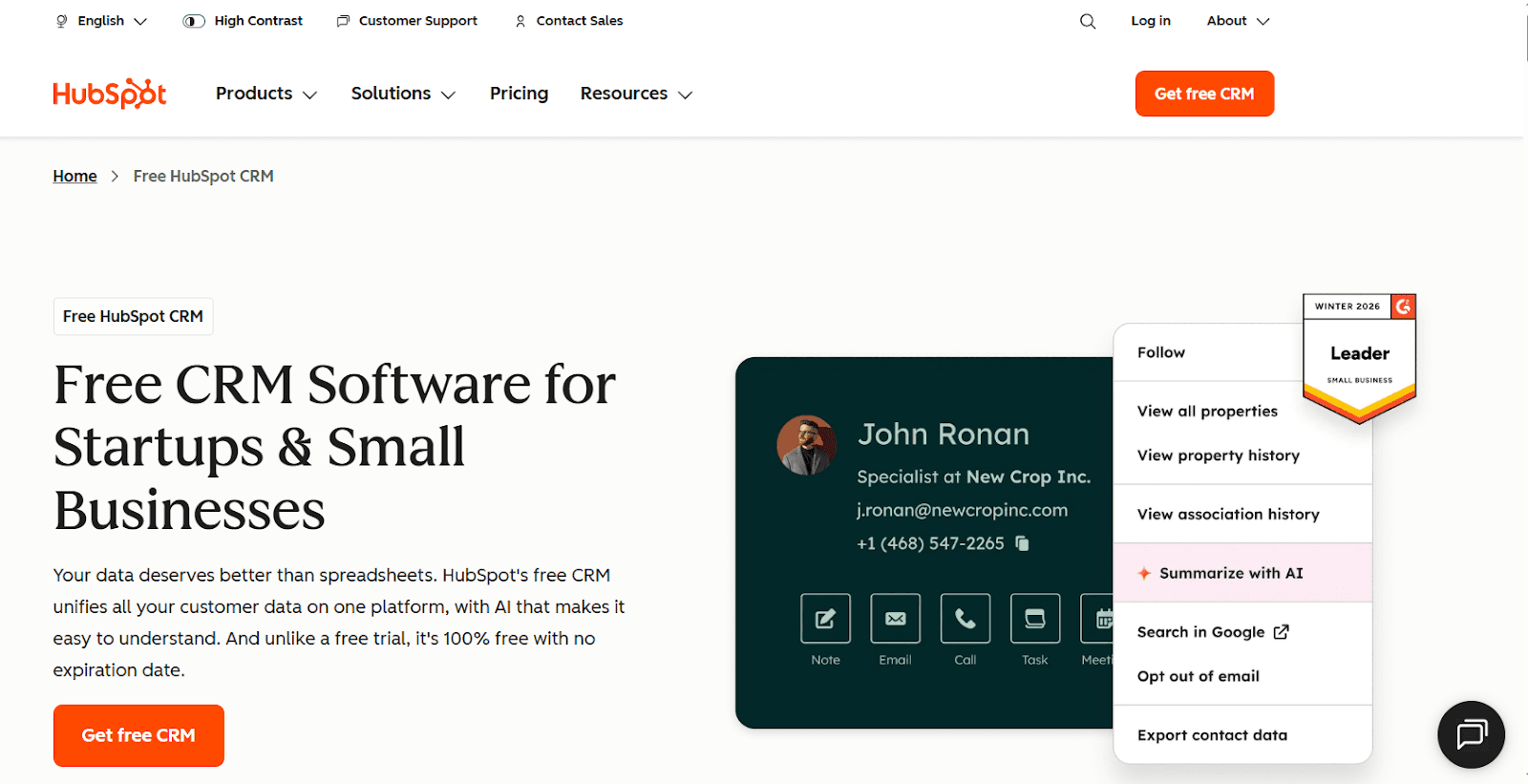
HubSpot is designed for ease of use and quick deployment, offering core CRM functionality for managing contacts and tracking communication. It is commonly adopted by teams that need a straightforward system without extensive configuration.
User-friendly interface - Simple navigation and minimal onboarding required
Basic contact and activity tracking - Captures emails, meetings, and interactions at a surface level
Quick setup - Can be implemented without significant technical effort
Not tailored for investor workflows - Limited support for managing layered LP and GP relationships over time
Fund-of-Funds CRM Comparison
Evaluating CRM options requires a clear view of how each system supports relationship tracking, communication history, and team visibility across LP and GP interactions.
CRM | Best For | Key Strength | Limitation |
Rings AI | Investor teams managing layered relationships | Relationship-level data, network visibility | Not built for heavy reporting |
Affinity | Relationship tracking | Automated data capture | Limited workflow depth |
DealCloud | Process-driven teams | Structured workflows and reporting | Less flexible for ongoing relationship context |
Salesforce | Custom implementations | High flexibility and integrations | Requires setup and maintenance |
HubSpot | Simplicity and quick setup | Ease of use | Not designed for investor workflows |
Each system reflects a different approach to managing data and workflows. Teams that prioritize continuity across relationships and shared access to interaction history tend to benefit from systems designed specifically for investor use cases.
Why Many Fund-of-Funds Teams Choose Rings AI
Fund-of-funds teams require a consistent view of relationships across both investors and underlying managers. This includes access to communication history, visibility across the team, and a structure that supports long-term interaction tracking without fragmentation.
Unified relationship records - All interactions are tied to people and firms, maintaining a continuous view across LP and GP relationships
Shared visibility across the firm - Team members access the same relationship context, improving coordination across functions
Connected communication history - Emails, meetings, and notes are stored in one place for easier review and follow-up
Context across investment cycles - Relationship history carries forward across multiple funds and interactions
Rings AI is designed for teams that prioritize continuity and coordination in relationship management. Book a demo to evaluate how Rings AI supports fund-of-funds workflows.