
Most teams use a CRM. Fewer teams trust it.
Important context lives in inboxes, meeting notes, and people’s heads. Over time, that context fades. A founder you passed on last year comes back. A warm intro goes quiet. Someone new joins the team and has no idea why a relationship mattered in the first place.
This isn’t a discipline problem. It’s a design problem. Research from Harvard Business Review shows that CRM failures are usually driven by poor system fit and lost context, not lack of effort from teams.
Most CRM best practices are written for transactional sales teams. They assume short cycles, linear pipelines, and clear closes. Relationship-driven teams do not work that way. Conversations pause and restart. Decisions compound over years. A “not now” is often more valuable than a quick yes. This is especially true in long-running deal flow and relationship mapping workflows inside investing and dealmaking teams.
When CRMs are set up for motion instead of memory, teams lose continuity. They repeat conversations. They forget past decisions. They rely on the same few people to remember everything.
A CRM should reduce that load. It should help you remember why a relationship mattered, not just when the last email was sent. It should make context easy to find and easy to share, even months or years later.
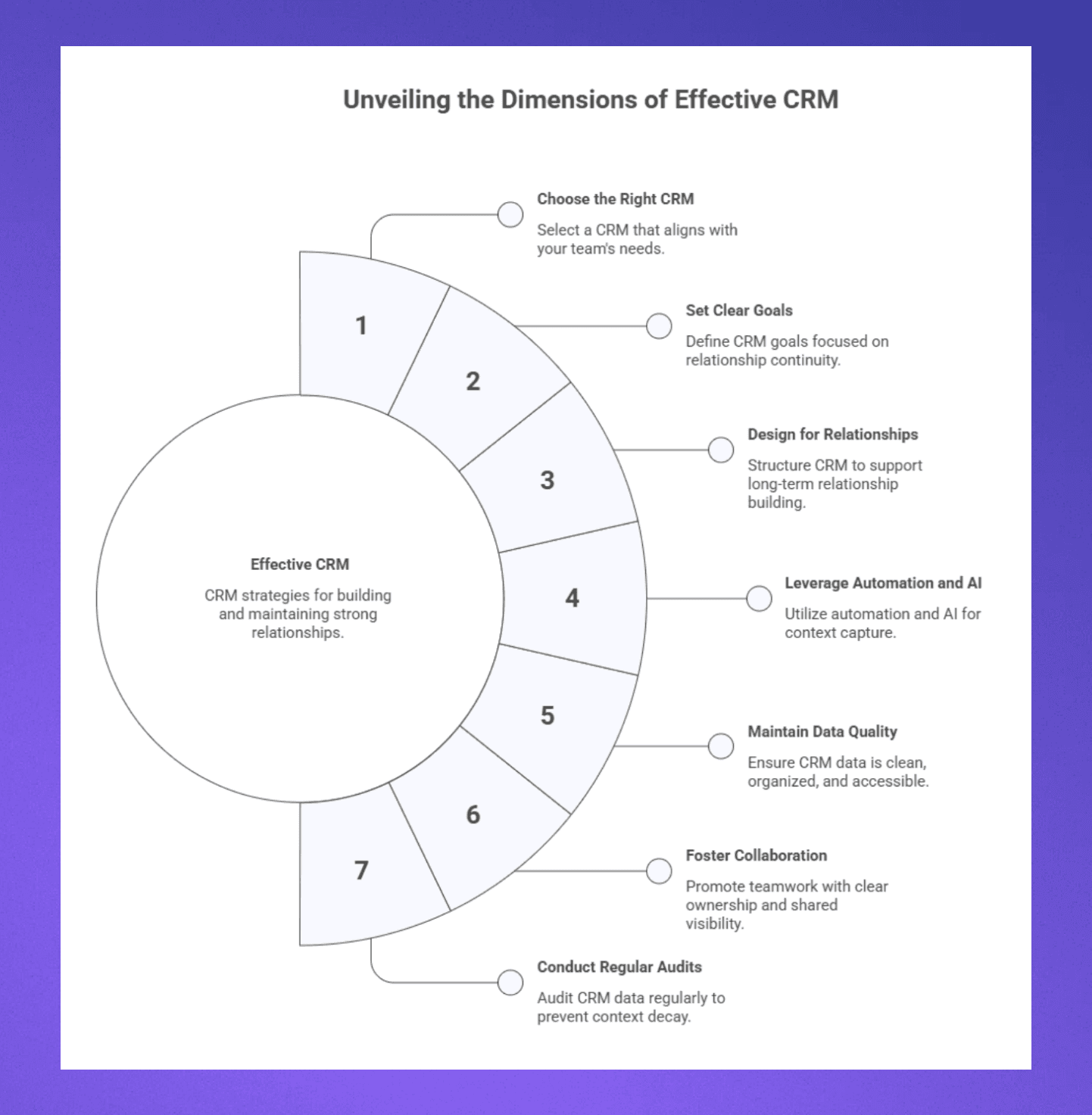
The seven best practices below focus on preserving context, supporting long timelines, and making your CRM a system your team actually relies on. Whether you are choosing a new CRM or rethinking how you use the one you have, these principles apply.
Choose a CRM That Fits Your Needs
Most CRM problems start with a mismatch.
Teams adopt a CRM because it is popular, recommended, or already used elsewhere in the organization. Over time, they adapt their behavior to fit the tool. That works for transactional sales teams. It breaks down quickly for relationship-driven work.
If your work depends on long timelines, repeated conversations, and trust built over years, your CRM has to reflect that reality.
Many CRMs are designed around linear pipelines. They assume every opportunity moves forward or closes. In relationship-driven teams, that rarely happens. Conversations pause. People resurface. A “not now” often becomes relevant again later. When a CRM cannot handle this, teams stop trusting it.
This is why choosing a CRM is less about feature depth and more about fit.
A good CRM for relationship-driven teams should help you answer simple questions without friction:
Why does this relationship matter?
Who on the team knows this person well?
What happened last time we spoke, and why did we decide what we did?
When those answers are hard to find, teams fall back on memory and inboxes. That is when context starts to disappear.
Research from Gartner shows that poor alignment between CRM design and how teams actually work is one of the most common reasons CRM projects fail or underperform. The issue is not effort. It is fit.
For teams managing non-linear deal flow, this means prioritizing systems that treat people and companies as long-lived records, not temporary opportunities. This is especially important in investing and dealmaking environments where relationships span multiple funds, deals, or roles over time.
Choosing a CRM that fits your needs does not mean choosing the most powerful or configurable tool. It means choosing one that reflects how your relationships actually evolve and makes it easier to pick up where you left off.
Learn more about CRM for venture capital firms.
Set Clear CRM Goals Around Relationship Continuity
Most CRM goals are framed around activity.
More deals created. More emails sent. Faster movement through stages. Those metrics are easy to track, but they rarely reflect how relationship-driven teams actually succeed.
For teams working on long timelines, the real risk is not slow movement. It is lost context.
When CRM goals focus only on short-term output, teams optimize for motion instead of memory. Records get updated just enough to move forward. Notes are shallow. Decisions are logged without explanation. Months later, no one remembers why a deal stalled or why a relationship mattered in the first place.
Clear CRM goals should protect against that.
For relationship-driven teams, good CRM goals are about continuity. They ensure that when a conversation pauses and restarts, the system still tells the story. They make it possible for someone new to step in and understand what happened without starting from scratch.
That means setting goals like:
Every meaningful conversation has context captured
Every paused relationship has a reason and a next condition
Every decision can be understood months later
These goals are less visible than activity metrics, but they compound over time.
This is where many CRM strategies quietly fail. Teams never define what “good” looks like beyond adoption or reporting. As a result, the CRM fills up, but trust erodes. You can see this pattern clearly in how weak CRM strategy leads to shallow usage and inconsistent data over time.
Research from Harvard Business Review has shown that CRM initiatives struggle when goals are unclear or misaligned with how teams actually work. When success is defined narrowly, systems drift away from real workflows.
Setting the right goals also creates alignment across the team. When everyone knows the CRM exists to preserve relationship context, not just log activity, usage becomes more consistent. Updates feel useful instead of administrative.
Over time, this makes downstream practices like data hygiene and regular reviews much easier to maintain. Goals set the tone. Everything else follows.
Design Your CRM Around Long-Lived Relationships, Not Transactions
Most CRMs are built around transactions.
A deal is created. It moves through stages. It closes, or it does not. That model works when relationships reset after each sale. It breaks down when the same people and companies resurface again and again.
Relationship-driven teams do not start from zero every time. They build context over the years. A founder you passed on once may rise again. A buyer who was not ready last quarter may become critical later. When a CRM treats each interaction as a new event, that history gets fragmented.
This is how context gets lost.
Notes end up tied to closed deals instead of people. Emails live inside opportunities that no one revisits. Decisions make sense in the moment but are impossible to reconstruct later. Over time, the CRM becomes a timeline of transactions instead of a record of relationships.
Designing your CRM around long-lived relationships means flipping that model.
People and companies should be the primary objects. Deals should be temporary views layered on top. Context should accumulate at the person and company level so it survives pauses, passes, and restarts.
This matters most in environments with non-linear deal flow, where the same relationship can touch multiple opportunities across long timelines. You can see this clearly in how investment teams manage deal flow and revisit the same companies over multiple funds or cycles.
Research from McKinsey has shown that B2B relationships compound value over time when organizations maintain continuity across interactions, not when they optimize for single transactions. Systems that fragment relationship history make that compounding harder.
When your CRM is designed this way, handoffs improve. New team members get context immediately. Decisions feel grounded instead of arbitrary. Conversations pick up where they left off instead of starting over.
This design choice also makes everything else easier. Data hygiene improves because information has a clear home. Reviews are more meaningful because relationships are visible beyond active deals. Collaboration works because everyone is looking at the same long-term record.
A CRM that models relationships as long-lived assets does not just track what happened. It explains why it mattered.
Rely on Automation and AI to Capture and Surface Context
Manual CRM upkeep does not scale.
When context depends on people remembering to log notes, update fields, or summarize conversations, it degrades quickly. Details get skipped. Notes get shortened. Important decisions live in inboxes or calendars instead of the CRM.
Over time, the system stops reflecting reality.
For relationship-driven teams, automation and AI are not about speed. They are about accuracy and continuity. The goal is to capture what already happened without asking people to do extra work.
This starts with automatic activity capture. Emails, meetings, and interactions should be logged without manual effort. When that context flows into the CRM consistently, records stay current and usable. This is one of the most effective ways to support long-term CRM data hygiene without turning maintenance into a separate job.
AI becomes useful once this foundation exists.
Instead of automating outreach or pushing volume, AI should help teams make sense of existing context. That includes summarizing relationship history, surfacing past decisions, and preparing teams before meetings so they do not walk in cold. Used this way, AI reduces cognitive load rather than adding noise.
Research from Harvard Business Review shows that AI creates the most value when it augments human judgment instead of replacing it. In CRM workflows, that means helping teams remember, prioritize, and prepare, not forcing new processes.
Automation also reduces inconsistency. When context is captured automatically, teams rely less on personal systems. Notes stop living in inboxes. History becomes shared instead of fragmented. This makes collaboration easier and reviews more meaningful.
The key is restraint.
Automation should capture and organize information, not overwhelm the system. AI should surface insight, not generate activity. When used carefully, both help the CRM reflect how relationships actually evolve over time.
That is when the system starts to earn trust again.
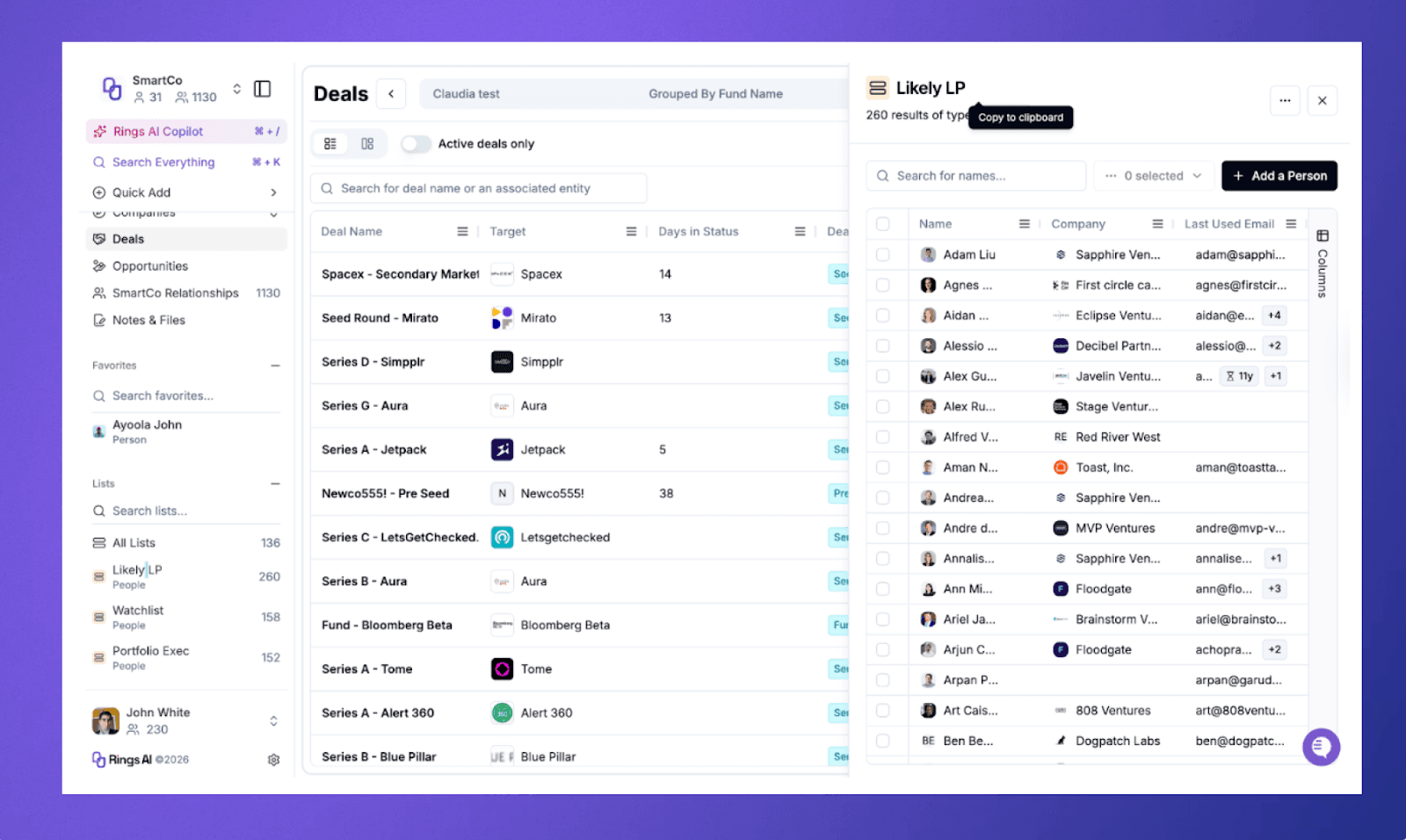
AI adds value when it helps teams understand context and history without manual effort.
Keep Relationship Data Clean, Organized, And Easy To Revisit
Messy data erodes trust faster than almost anything else.
When contacts are outdated, notes are scattered, or records are half-filled, teams stop relying on the CRM. They double-check information elsewhere. They keep their own notes. Over time, the system becomes something people update out of obligation, not something they use to make decisions.
For relationship-driven teams, clean data is not about perfection. It is about revisitability.
You should be able to open a record months later and quickly understand who the person is, why the relationship mattered, and what happened last time you spoke. If that takes more than a few moments, the data is not doing its job.
This is where many teams overcorrect. They add more required fields, stricter rules, and heavier process. That often makes things worse. When the CRM becomes harder to use, people put in the minimum and move on.
Good data hygiene focuses on the essentials.
Key relationship context should be easy to capture and easy to find. Notes should live at the person or company level, not buried inside old deals. Ownership should be clear so records do not quietly decay.
Regular upkeep matters too. Relationships change even when deals do not. People switch roles. Priorities shift. Without occasional reviews, records drift away from reality. Small, consistent updates are far more effective than infrequent cleanup projects.
Research from Gartner has consistently shown that poor data quality is one of the biggest reasons CRMs fail to deliver value. When teams do not trust the data, adoption drops and decisions suffer.
Clean, organized data supports everything else. Automation works better. Reviews are faster. Collaboration improves because everyone is looking at the same, reliable context.
When relationship data is easy to revisit, the CRM becomes a source of confidence instead of friction.
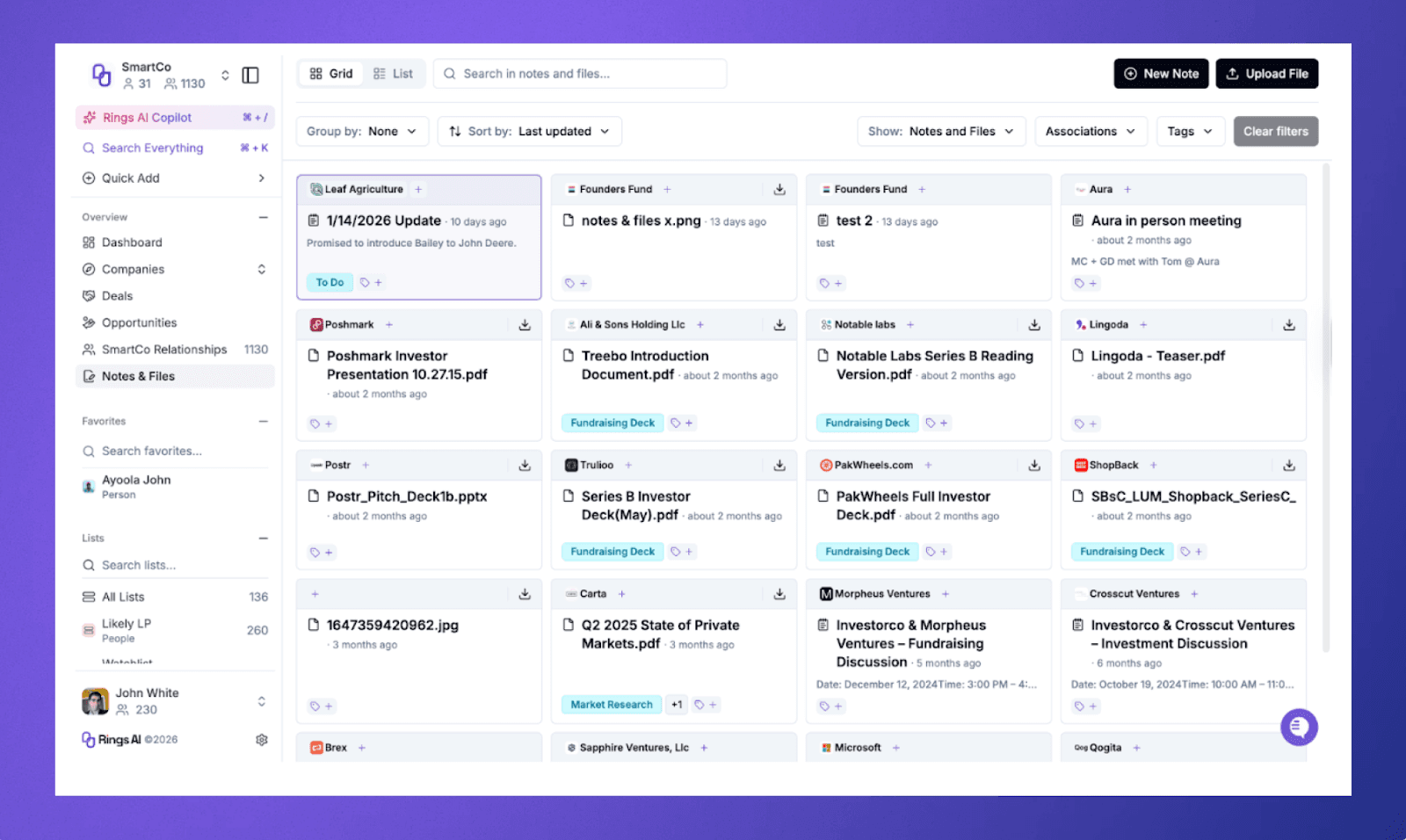
Clean CRM data is data you can revisit months later and still understand the relationship.
Focus On Collaboration With Clear Ownership And Shared Visibility
Collaboration breaks down when ownership is unclear.
In many teams, relationships are shared in practice but owned by no one in reality. Multiple people have history. Everyone assumes someone else is keeping track. When a conversation stalls or a follow-up is missed, it is hard to tell where things went wrong.
A CRM should remove that ambiguity.
Clear ownership does not mean working in silos. It means there is one person responsible for maintaining context, deciding next steps, and making sure the relationship does not quietly drift. Shared visibility ensures the rest of the team can step in when needed without starting from scratch.
This balance matters most in relationship-driven environments. Introductions come from different places. Conversations span functions and seniority levels. Without a shared system, context fragments across inboxes and personal notes.
When ownership and visibility are designed together, collaboration becomes easier. Team members can see who knows whom, what has already been discussed, and where a relationship stands. This reduces duplicate outreach and awkward handoffs. It also makes it easier to bring the right person into a conversation at the right time.
Research from Harvard Business Review has shown that unclear collaboration structures increase cognitive load and slow decision-making. When responsibility is vague, coordination costs rise and important work gets delayed.
A CRM with clear ownership rules and shared visibility reduces that friction. Relationships stay warm. Context stays accessible. Teams move together instead of around each other.
Collaboration works best when everyone can see the same picture and knows who is accountable for keeping it up to date.
Review And Audit CRM Data Regularly To Prevent Context Decay
Even well-designed CRMs drift over time.
Relationships change. People move roles. Priorities shift. Deals pause and resurface. When no one revisits old records, the CRM slowly stops reflecting reality. Context does not disappear all at once. It erodes quietly.
Regular reviews are how teams prevent that.
For relationship-driven teams, CRM audits are not about compliance or field completion. They are about memory. The goal is to make sure relationships still make sense months after the last interaction.
That means checking things like:
Does this relationship still matter?
Is the ownership still correct?
Would someone new understand why this was paused?
Is the next step still relevant?
These reviews do not need to be heavy. In fact, lighter is better. Monthly or quarterly check-ins are usually enough to surface stale records, unclear decisions, or relationships that deserve renewed attention. You can see how teams do this without adding process in this guide on regular CRM reviews and data hygiene.
This habit also creates space for reflection. Teams often rediscover strong relationships that quietly went dormant. Others realize a decision was sound and can be closed with confidence. Both outcomes are valuable.
Research from Harvard Business Review shows that CRM initiatives fail not because teams stop caring, but because systems are not maintained in ways that reflect ongoing work. Regular reviews are one of the simplest ways to keep systems aligned with reality.
Over time, this practice compounds. Reviews reinforce ownership. Data stays cleaner. Trust stays high. The CRM remains a living record instead of a historical archive.
When teams treat reviews as part of relationship management, not system maintenance, the CRM continues to earn its place in daily work.
Rings AI - A CRM Built for Relationship-Driven Teams
Most teams do not struggle because they lack tools. They struggle because context gets scattered. Notes live in inboxes. Decisions fade over time.
Relationships depend on who happens to remember what. As teams grow, that gap gets wider. The CRM fills up, but trust drops.
Rings AI is built for teams that run on long-lived relationships. It captures context automatically, keeps history tied to people and companies, and gives your team a shared view of who knows whom and why it matters. No heavy process. No forcing behavior. Just a system that reflects how your work actually happens.
Does your CRM add noise instead of clarity? It’s time to see a different approach.
Book a demo and see how Rings AI works in a real workflow.