
Customization usually comes up when a CRM no longer matches how a team operates.
At first, most systems are workable. As time passes, workflows become less linear. Deals pause and restart. Relationships resurface. Context spreads across emails, notes, and old records. The CRM still exists, but it no longer provides a clear picture of what matters.
This is not a usage issue. It is a system design issue. CRM initiatives struggle when tools do not align with real workflows, not because teams fail to adopt them.
For relationship-driven teams, the mismatch shows up early. Work spans long timelines. The same people and companies appear across multiple conversations.
Customization feels like the logical next step. The question is whether it addresses the underlying problem or simply adds complexity on top of it. Before choosing a customizable CRM, it helps to understand what customization should actually support and where it starts working against clarity.
What a Customizable CRM Actually Offers
When teams say they want a customizable CRM, they are rarely asking for unlimited configuration.
They are usually trying to solve a specific set of problems. The system does not reflect how work actually happens. Processes vary by deal, relationship, or team. Edge cases keep appearing. Context feels hard to capture without bending the tool.
In practice, a customizable CRM is expected to offer a few core things.
Flexibility in how work is structured: Teams want to adapt workflows without forcing everything into a single pipeline. This shows up clearly in non-linear deal flow, where conversations pause, restart, or resurface over time.
Room for different processes to coexist: Fundraising, sourcing, and relationship management rarely follow the same path. Customization is often used so teams can handle multiple motions without duplicating data or maintaining separate systems.
A way to capture context without friction: Customization is often a response to context loss. Teams add fields or workflows to explain why something happened, not just what happened. When context lives only inside deals, it becomes hard to revisit later. This is where relationship-level structure and relationship mapping become more important than additional configuration.
In practice, customization tends to appear as:
Custom fields added to explain exceptions
Workflows created to handle special cases
Views built for different roles or teams
Statuses or stages expanded to fit reality
Used carefully, this can help. The problem is what happens over time.
As teams grow, customization often compounds. Fields multiply. Logic becomes harder to follow. Only a few people understand why the system is set up the way it is. New team members learn configuration instead of context. Data remains technically complete, but harder to trust.
Over-customization increases CRM complexity and reduces long-term adoption, especially in knowledge-driven teams where work changes frequently.
At that point, customization stops being a solution and starts masking a deeper issue. The system requires constant adjustment just to keep up. Teams spend more time maintaining structure than using it to make decisions.
What most teams actually need is not unlimited customization. They need a CRM whose core design already matches how their work evolves, so flexibility supports execution instead of creating overhead.
How Rings AI Supports Customization Without Endless Configuration
Rings AI supports customization, but it applies it deliberately. The goal is to let teams work the way they already do, without turning the CRM into a system that needs constant rebuilding.
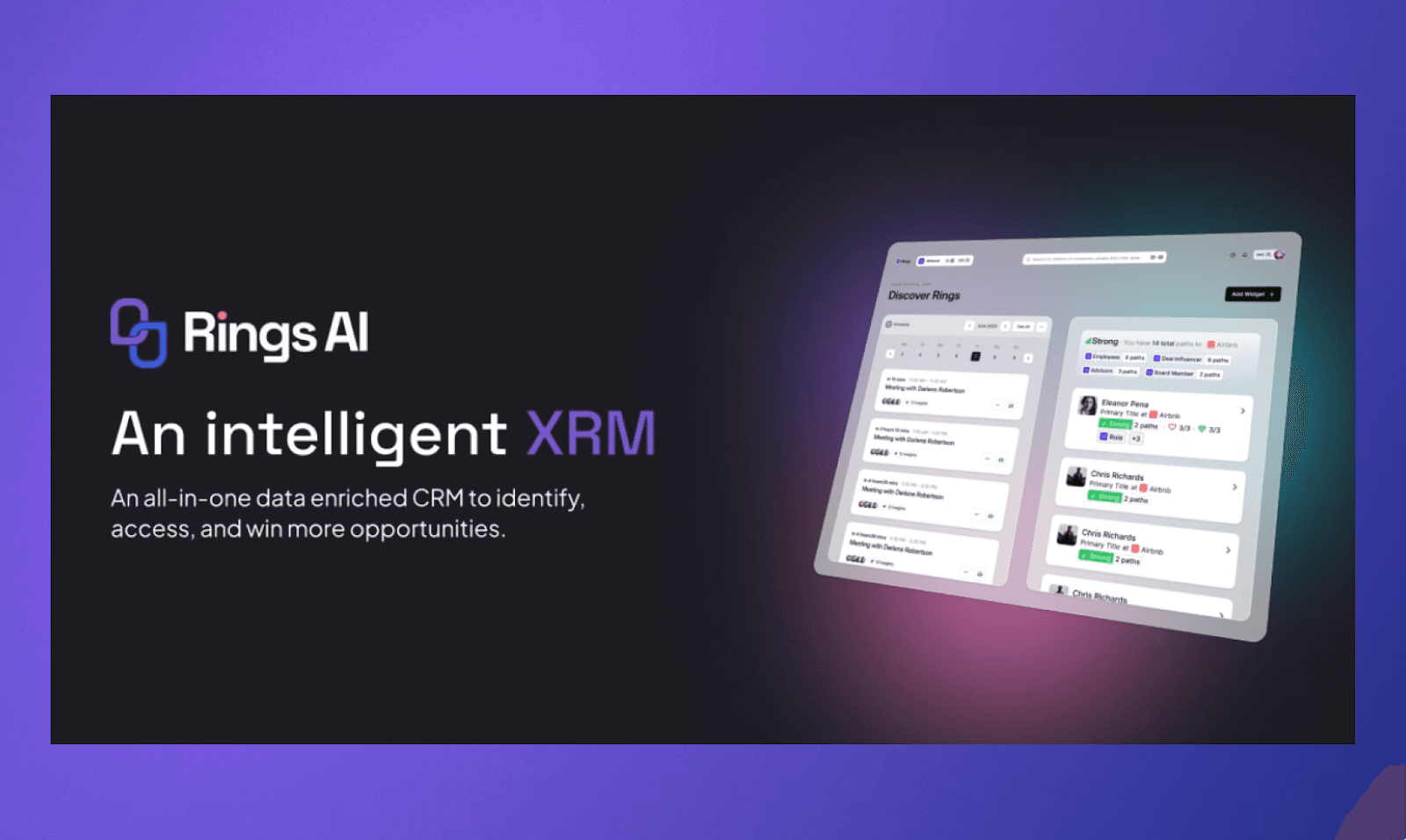
Customization At The Workflow And Execution Level
Rings AI allows teams to configure how work runs, not how data has to be modeled.
That includes:
Fully customizable, multi-level project execution for deals, fundraising, and relationship workflows
The ability to run multiple workflows in parallel without duplicating records
Flexibility to reflect real processes instead of forcing everything into a single pipeline
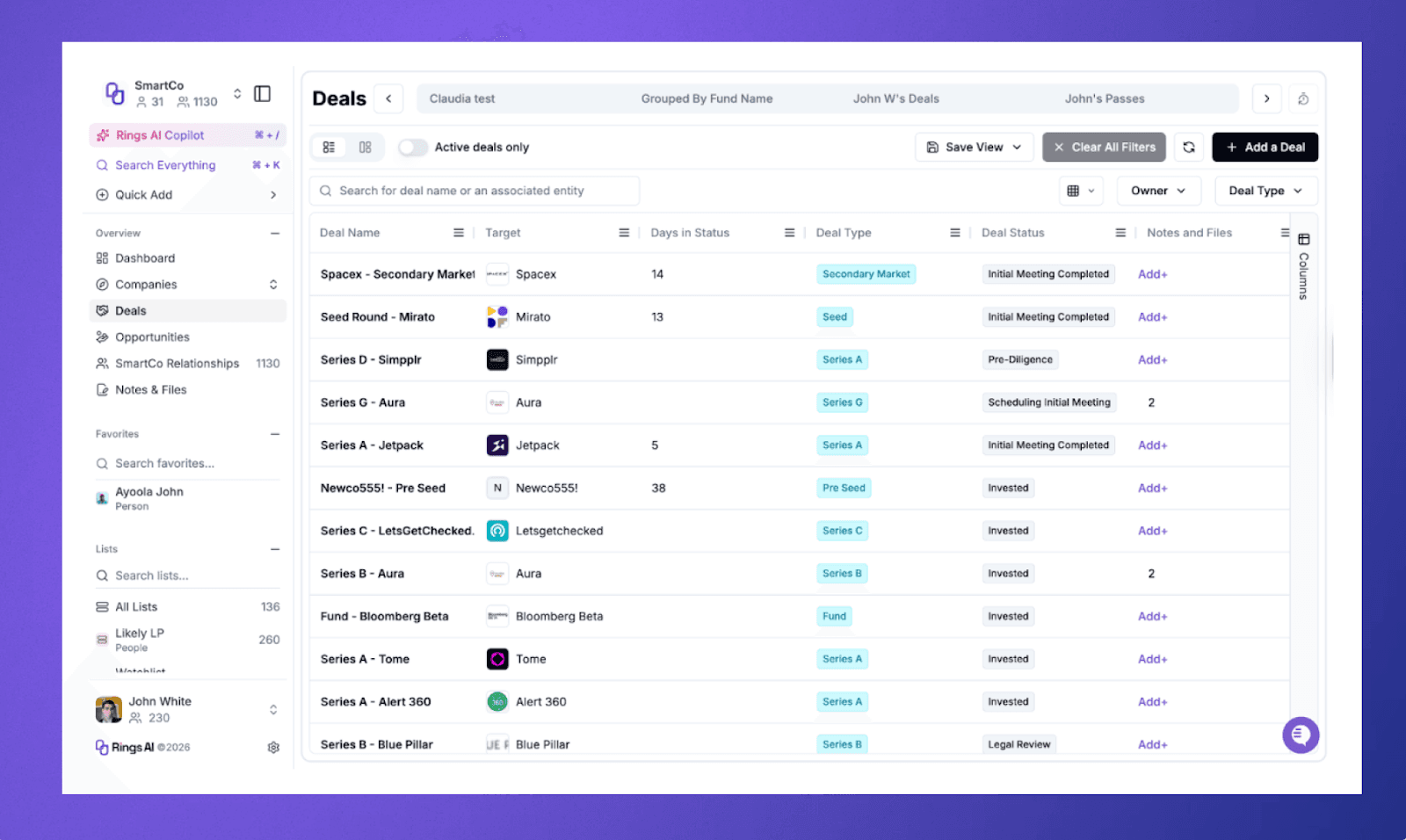
Customizable deal views in Rings AI let teams adapt pipeline structure, stages, and filters to match how deals actually move, without rebuilding the CRM.
Structure That Preserves Relationship Context
Rings AI reduces the need for configuration by getting the fundamentals right.
Instead of relying on custom fields to explain history, Rings AI is built around long-lived records:
People and companies persist across deals and processes
Emails, meetings, notes, and files stay attached to relationships, not buried in closed deals
Context remains accessible even when work pauses or changes direction
This design removes many of the reasons teams reach for customization in the first place. It is especially effective in environments where relationship mapping and shared context matter more than stage management.
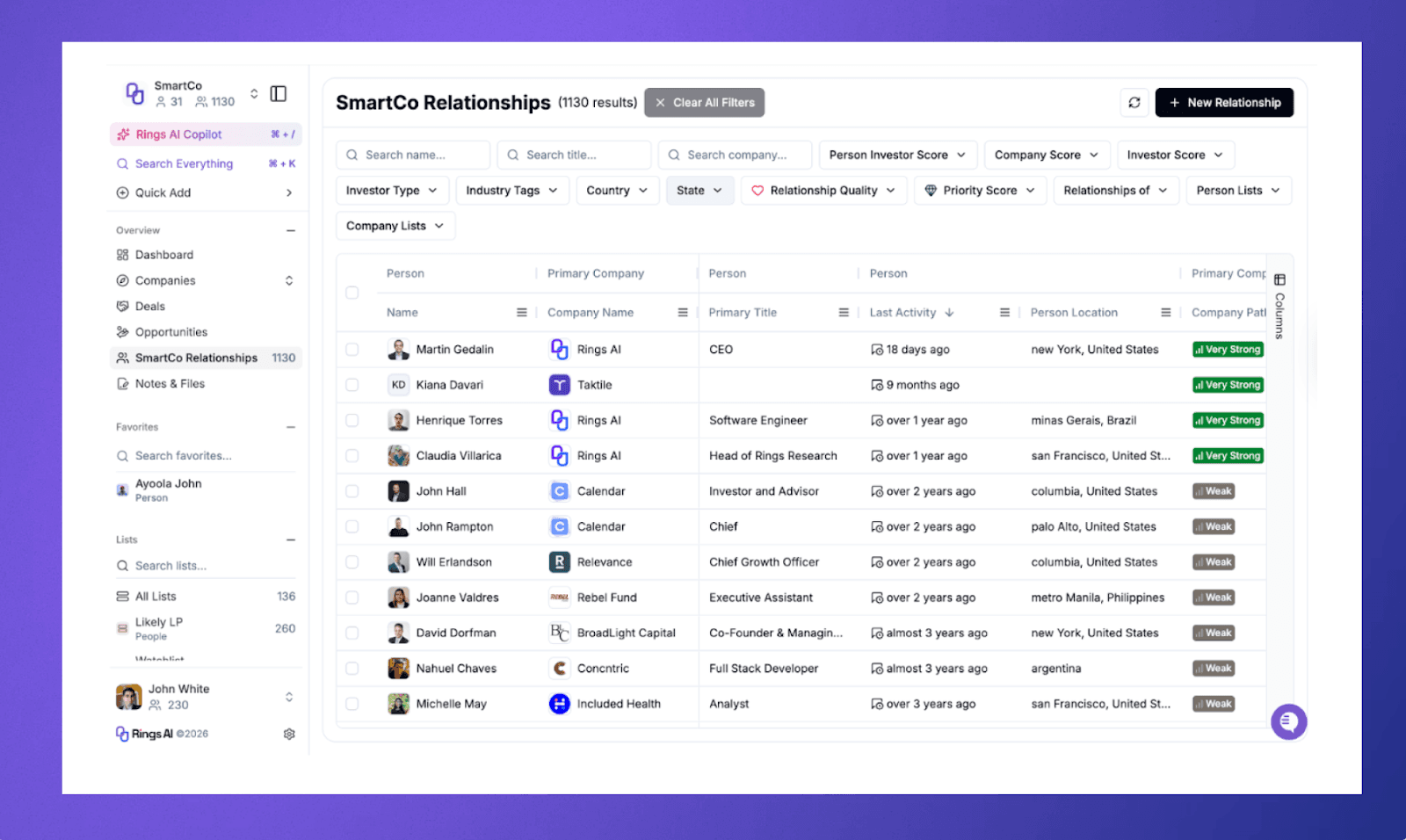
Rings AI surfaces relationship strength, recency, and priority across people and companies, giving teams a clear, shared view of their real network.
Flexible Views Without Configuration Debt
Different roles need different perspectives. Rings AI handles this through adaptable views, not duplicated structure.
Teams can:
View the same relationships through different lenses without reshaping data
Adjust how information is surfaced without introducing fragile logic
Maintain a single source of truth while supporting varied workflows
Because the underlying model stays consistent, teams avoid the slow buildup of configuration that becomes hard to maintain over time.
Automation And AI That Reduce Manual Work
Rings AI uses automation and AI to remove the need for procedural customization.
Instead of building workflows to enforce updates, Rings AI:
Captures emails and meetings automatically
Keeps relationship history current without manual effort
Uses AI to summarize context, surface past decisions, and prepare teams for conversations
This shifts customization away from enforcement and toward insight. AI works on top of the existing context instead of creating new systems to manage.
Industry research supports this approach. Gartner has shown that CRMs designed to reduce administrative effort and configuration complexity see higher long-term adoption than systems that rely on heavy customization to stay usable
Rings AI supports customization where it improves execution, and limits it where it creates long-term drag. That balance allows teams to adapt as their work evolves without constantly rebuilding their CRM.
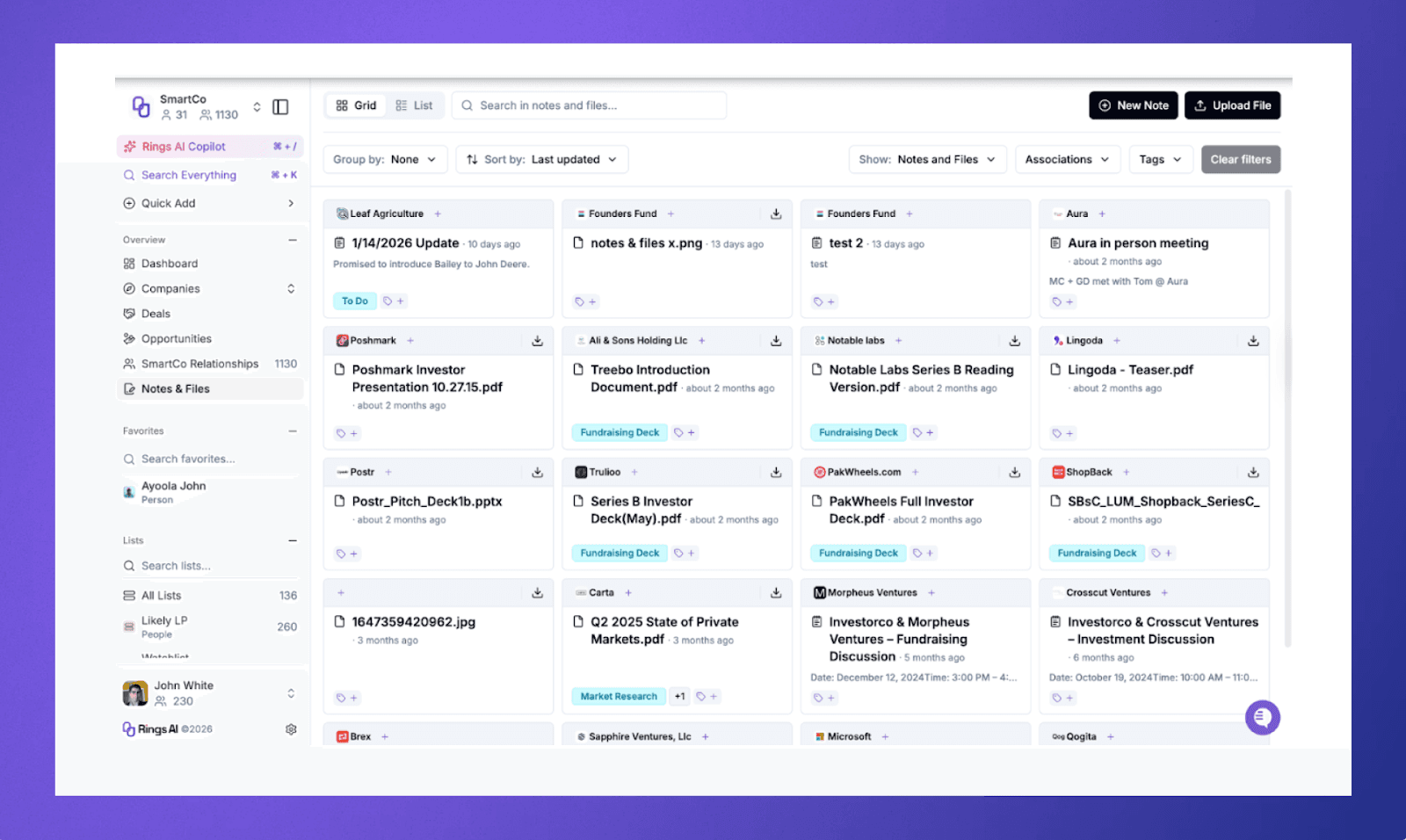
AI automatically captures and organizes notes and files, keeping deal records current without manual updates.
Rings AI: A Clear Path Forward for Relationship-Driven Teams
Most teams do not need more configuration. They need a CRM that already reflects how their work actually happens.
Rings AI is built for teams managing long timelines, recurring relationships, and non-linear work. It supports customization where workflows differ, while keeping structure where continuity matters. That balance reduces overhead, preserves context, and keeps the system usable as teams grow.
Instead of relying on endless configuration to explain reality, Rings AI makes reality visible by default. Relationships stay intact. History is easy to revisit. Teams spend less time maintaining the system and more time using it to make decisions.
Your CRM keeps needing adjustment just to stay relevant. It is time for a different approach.
Book a demo and see how Rings AI supports real customization in a real workflow.
Learn more about XRM vs CRM and what is a CRM.