
Investor data hardly lives in one place inside a hedge fund, and over time that fragmentation becomes operational risk. Allocator emails sit in personal inboxes, commitment details live in spreadsheets, and meeting notes depend on individual recall, which makes it difficult to see the full history of a relationship when it matters most.
As capital bases grow and investor conversations compound across quarters and fund cycles, the absence of a clear, shared system for tracking interactions, allocations, and context creates friction for partners and investor relations teams alike.
A hedge fund CRM should preserve institutional memory at the person and firm level, support capital activity without adding administrative burden, and give the entire team visibility into long-term relationships, which is why this guide compares the five best hedge fund CRM tools in 2026 and evaluates where each one fits.
5 Best Hedge Fund CRM Tools in 2026
The platforms below reflect different philosophies around how investment firms manage relationships and capital activity. Some evolved from sales software, while others were built specifically for investors and alternative asset managers.
Rings AI
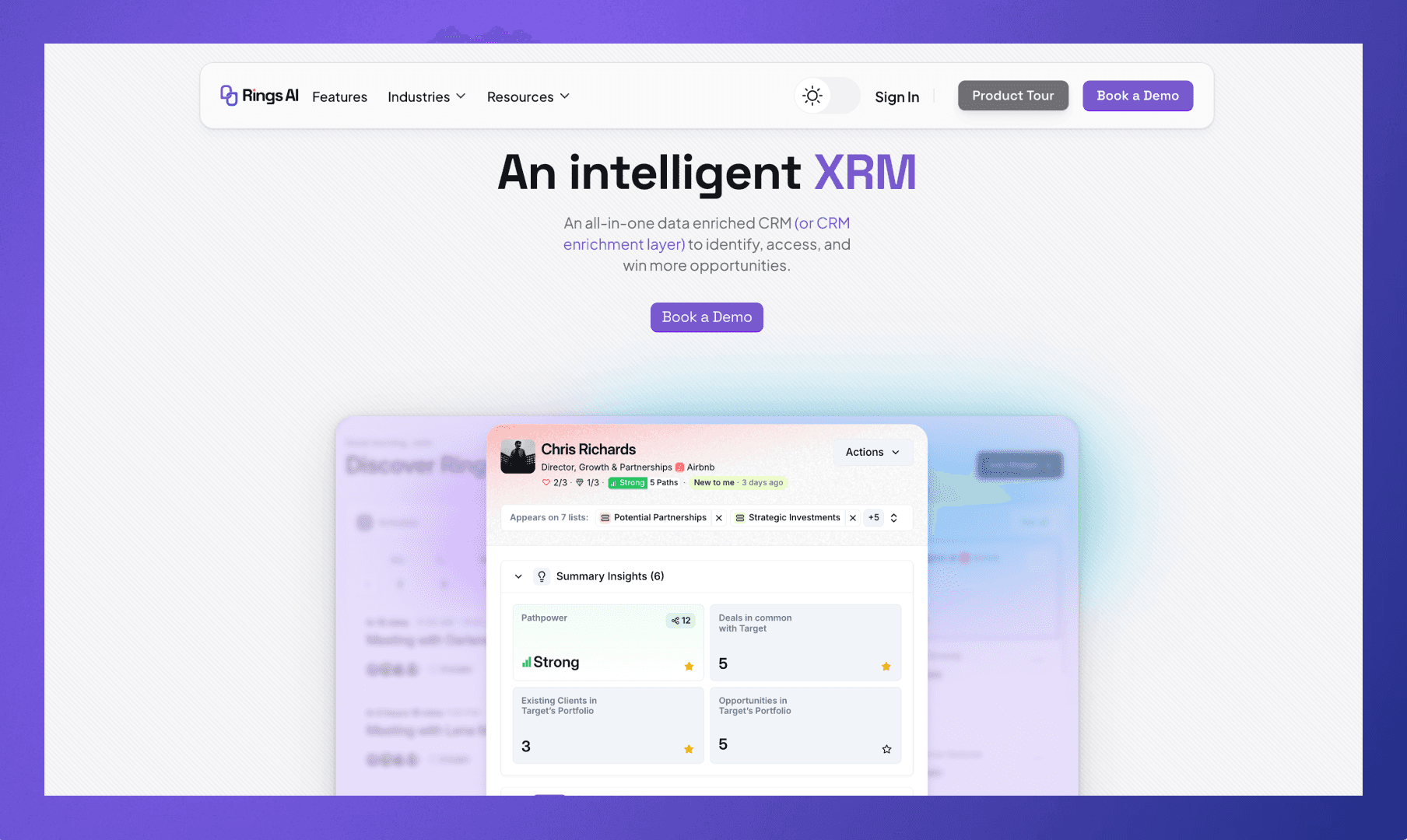
Rings AI is designed for relationship-driven investment teams that need a clear, shared view of long-term capital relationships rather than a transactional pipeline. Its architecture anchors emails, meetings, notes, and files at the person and firm level, which gives hedge fund teams continuity across fund cycles and allocator conversations without forcing interactions into artificial deal stages.
Key features:
Relationship-centric data model that preserves full history at the contact and organization level, ensuring capital context compounds over time
Team network visibility that surfaces who knows each allocator best, helping partners coordinate outreach with clarity
Capital activity tracking to manage commitments, allocations, and investor engagement in one system
Integrated email and meeting capture to centralize communication automatically and reduce manual logging
AI-powered relationship summaries and meeting prep, available within the platform’s intelligence layer, which help teams get up to speed quickly without searching across systems
Firms evaluating a hedge fund CRM often look for structure without rigidity, and Rings approaches that balance through its relationship-first design, and its broader approach for investment firms.
DealCloud
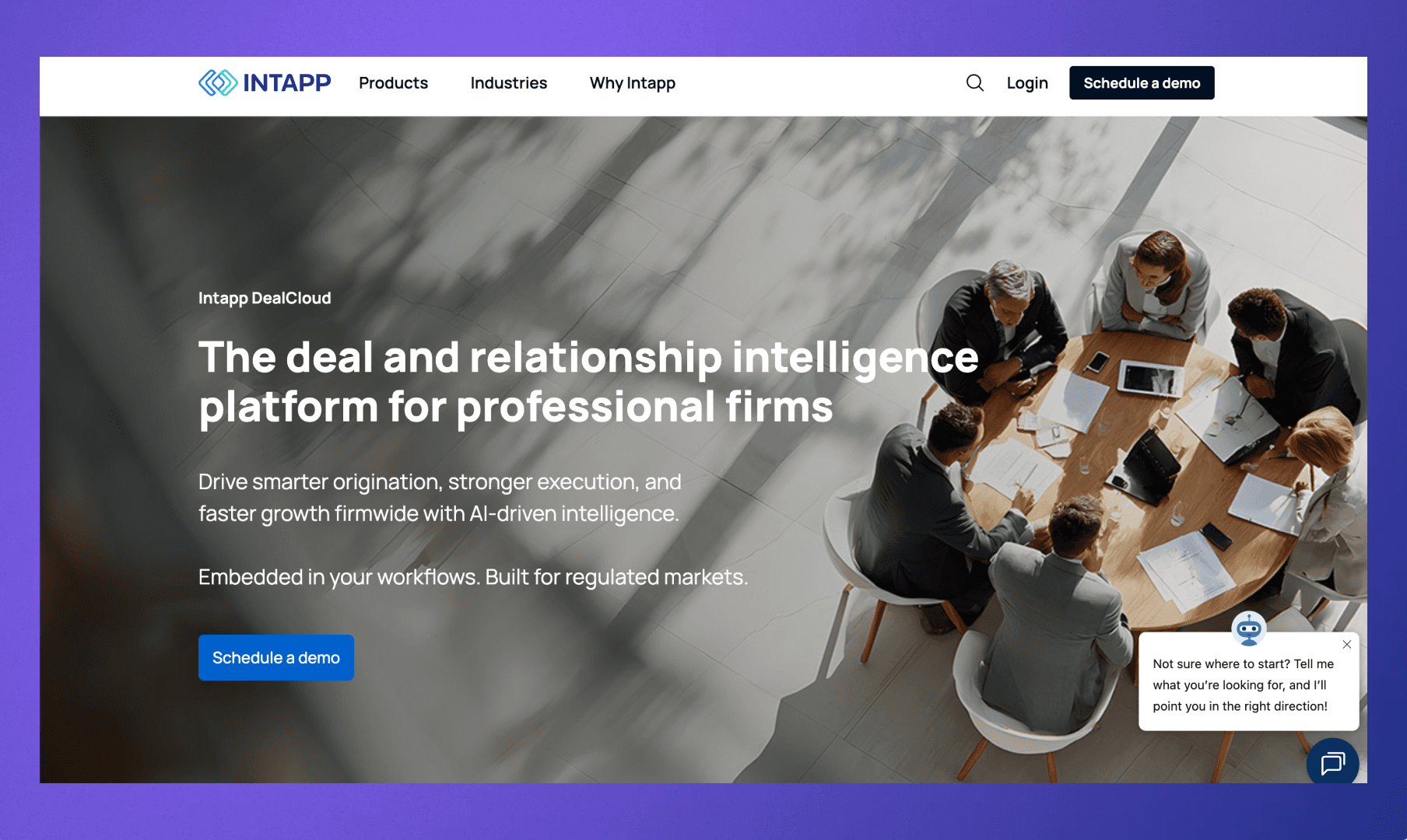
DealCloud is a configurable CRM and deal management platform used across private capital markets, including hedge funds that require structured workflows and reporting discipline. It combines relationship management with pipeline tracking and analytics, which can appeal to firms that prioritize process control and formalized data entry across teams.
Key features:
Customizable data architecture that allows firms to model investor records, fund structures, and internal workflows
Integrated pipeline and activity tracking to monitor capital raises and ongoing engagement
Reporting and dashboard capabilities designed to support management oversight and investor communication
Workflow automation tools to standardize tasks and internal approvals
Document management and centralized records to consolidate firm-wide information
For hedge funds evaluating structure versus flexibility, DealCloud represents a more process-oriented approach, while firms that prioritize relationship continuity and shared institutional memory may also compare it with a relationship-first platform such as Rings AI.
Dynamo Software
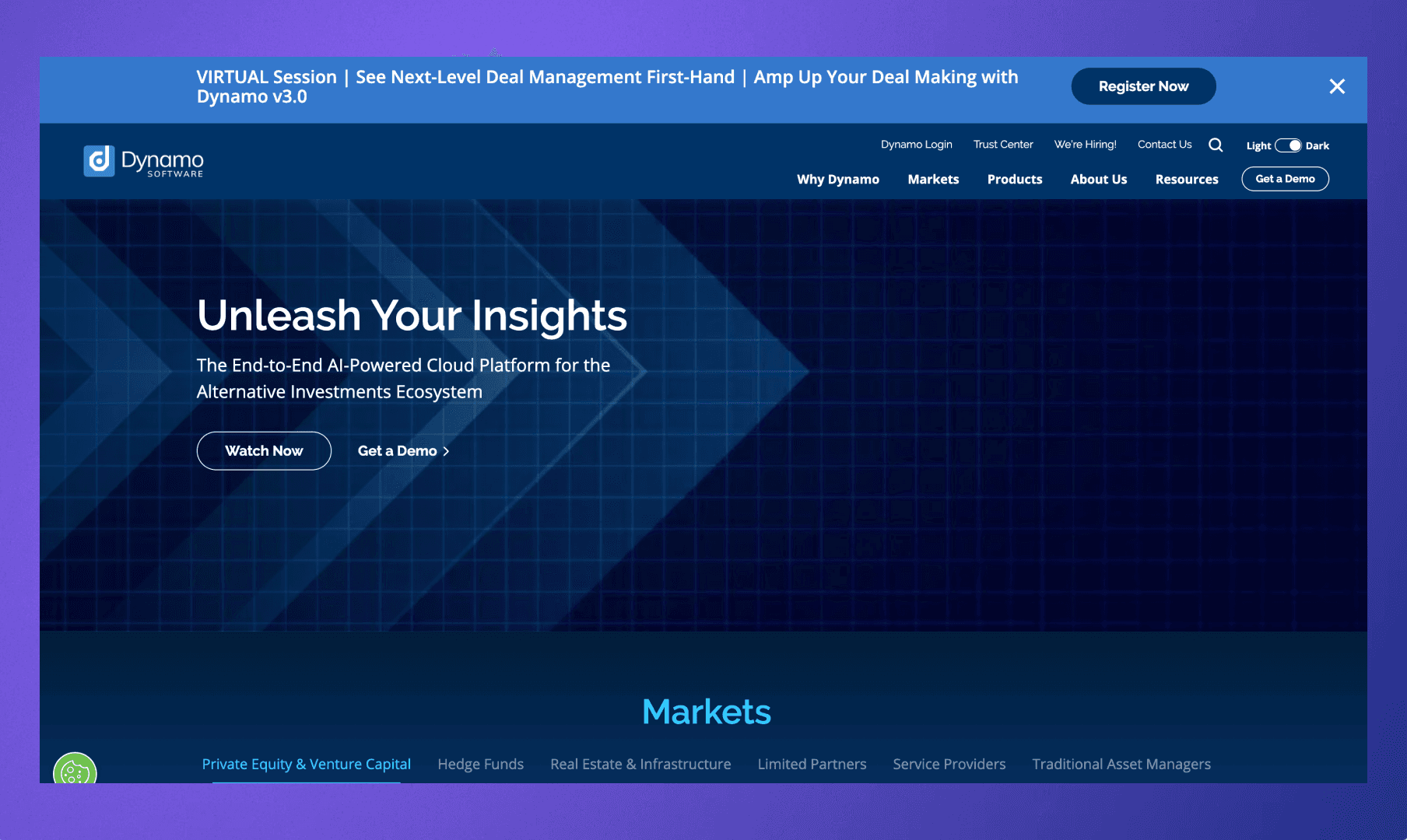
Dynamo Software provides CRM and investment management capabilities for alternative asset managers, including hedge funds that require integrated oversight across investor relations and portfolio operations.
The platform emphasizes structured data capture and reporting, which can support firms seeking operational consistency and centralized records across multiple functions.
Key features:
Investor and contact management modules designed to track allocator information and engagement history
Fundraising and pipeline tracking to monitor capital activity and internal processes
Portfolio and investment data integration that connects CRM records with fund-level information
Reporting and analytics tools to support management review and external reporting needs
Dynamo can fit hedge funds that prioritize operational breadth and reporting structure.
Salesforce
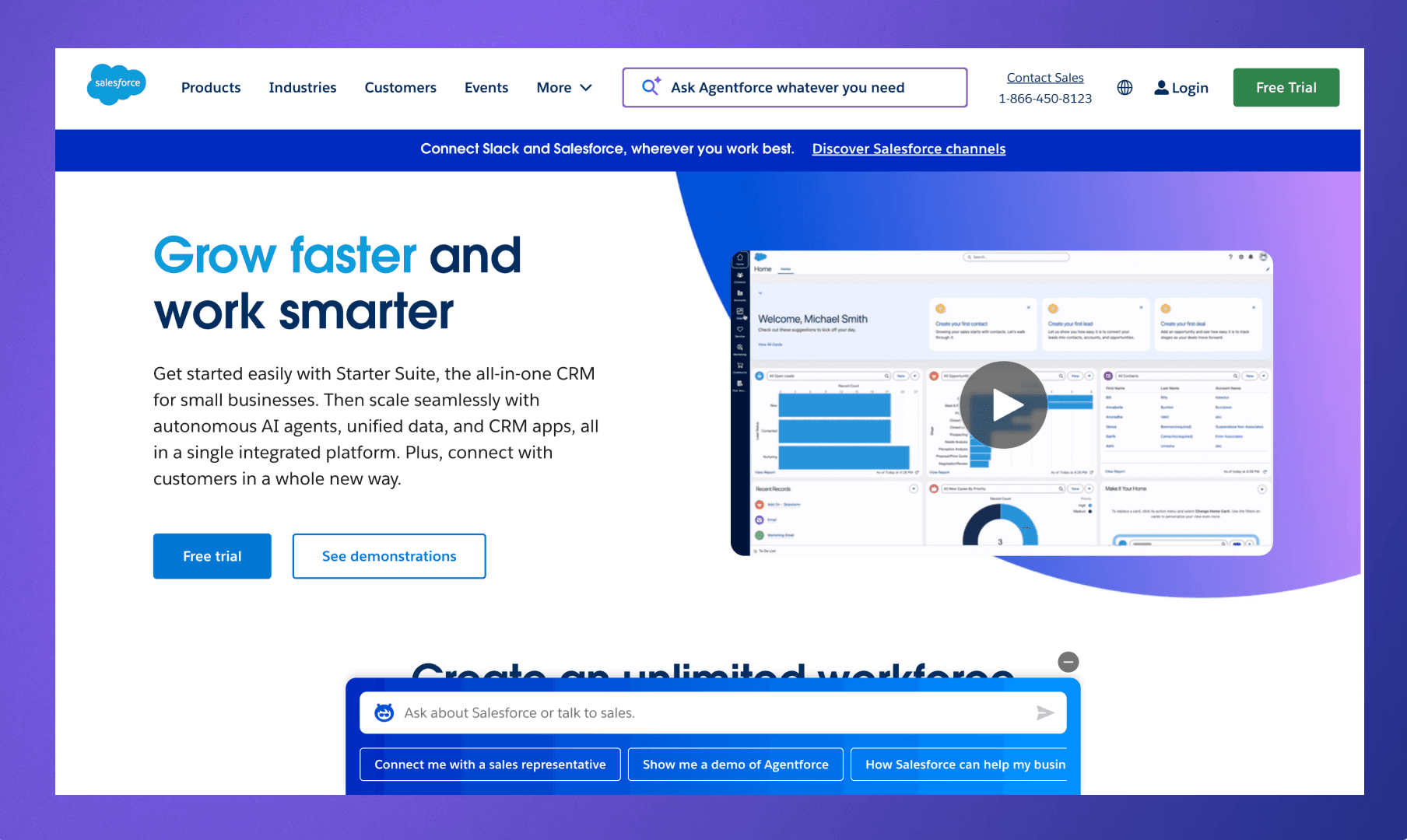
Salesforce is a widely adopted enterprise CRM platform used across industries, including financial services firms that require extensive customization and integration capabilities. Hedge funds that choose Salesforce typically do so for its flexibility and ecosystem, tailoring the system to fit investor relations workflows through configuration and third-party support.
Key features:
Highly customizable data models and objects to reflect firm-specific structures and processes
Extensive integration ecosystem connecting CRM data with reporting, compliance, and analytics tools
Advanced reporting and dashboard functionality for management oversight
App marketplace and developer support enabling bespoke extensions
Salesforce can accommodate hedge funds with internal technical resources and a preference for building around a general framework.
HubSpot
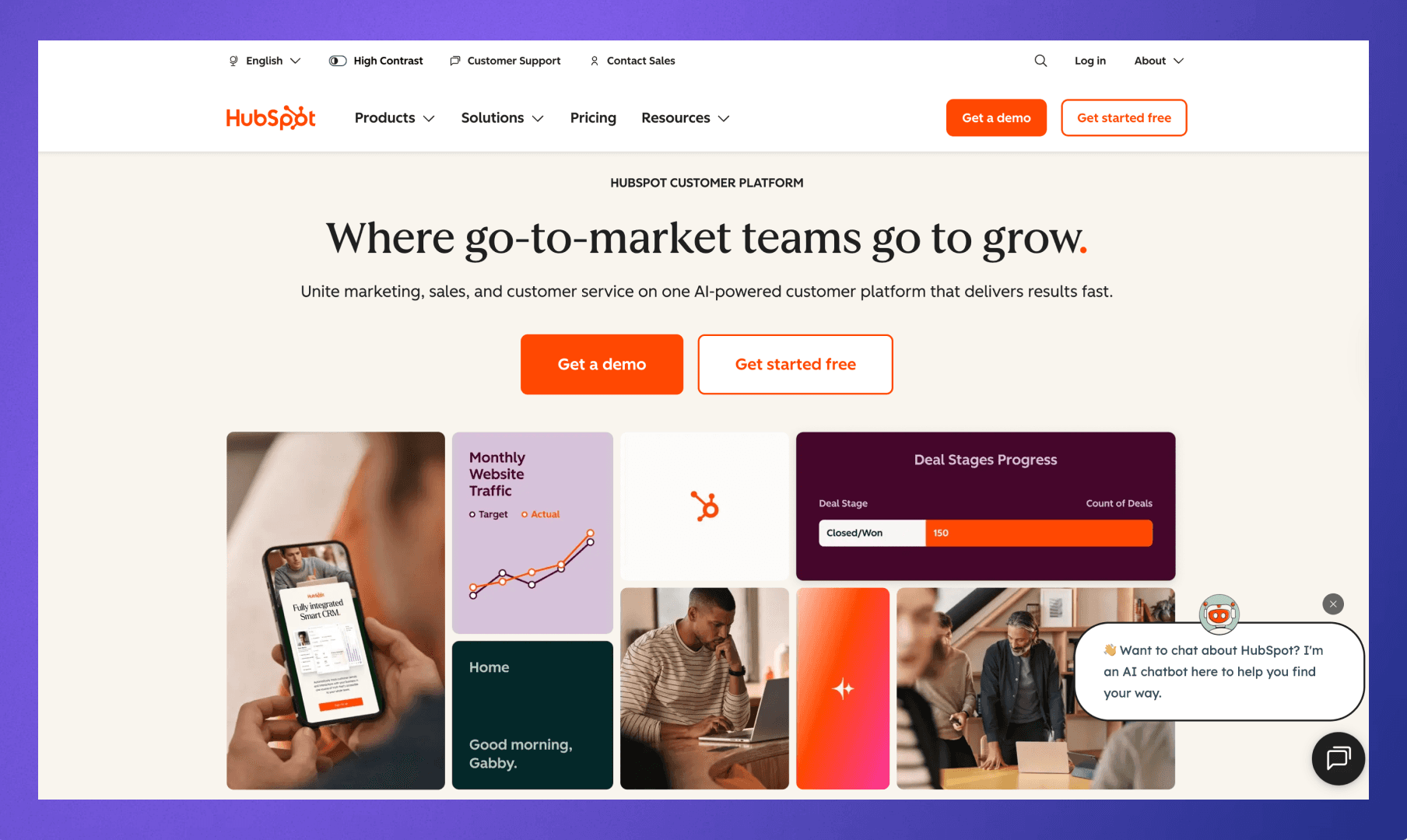
HubSpot is a general-purpose CRM platform designed primarily for sales and marketing teams, and some smaller hedge funds adopt it during early growth phases because of its straightforward setup and broad ecosystem.
While it was not designed specifically for capital allocators or fund structures, it can provide basic contact management and communication tracking for firms that want a familiar interface and fast deployment.
Key features:
Contact and company record management with email integration and activity timelines
Pipeline tracking and task management to organize outreach and follow-ups
Reporting dashboards and integrations through a large third-party marketplace
As hedge funds mature and require deeper visibility into long-term investor relationships, capital activity, and shared institutional memory, many reassess whether a sales-oriented structure reflects how their firm actually operates, which is why teams often compare general CRMs with systems built around investor workflows.
Hedge Fund CRM Comparison
Selecting a hedge fund CRM often comes down to how closely the system reflects the way your firm manages capital relationships, internal coordination, and reporting expectations. The table below compares the five platforms across the core features that typically matter most to hedge fund partners and investor relations teams.
Hedge Fund CRM Comparison: Which is Best For You?
Feature | Rings AI | DealCloud | Dynamo Software | Salesforce | HubSpot |
Primary Design Philosophy | Relationship-centric architecture built for investors | Configurable platform for capital markets | Investment management platform with CRM | General enterprise CRM | Sales & marketing CRM |
Relationship Model | Person & firm-level, long-term continuity | Configurable data structure | Structured contact modules | Opportunity-based by default | Contact-based |
Capital / Fundraising Tracking | Yes | Yes | Yes | Custom-built | Basic pipeline tracking |
Reporting & Dashboards | Practical, investor-focused | Advanced, structured | Advanced institutional reporting | Highly customizable enterprise dashboards | Standard sales dashboards |
Workflow Customization | Flexible without heavy configuration | Highly customizable | Configurable | Highly customizable | Limited without add-ons |
Portfolio / Investment Integration | Deal visibility within CRM | Limited native integration | Integrated with investment data | Requires integration | None native |
Email & Activity Sync | Integrated and centralized | Supported | Supported | Native | Native |
Complexity Level | Moderate | High | High | High | Low to Moderate |
Typical Fit | Relationship-driven hedge funds | Process-oriented capital markets teams | Operationally complex alternative managers | Firms with internal technical resources | Smaller or early-stage funds |
This comparison highlights structural differences rather than feature volume. For hedge funds evaluating long-term fit, the key distinction often lies in whether the CRM reinforces relationship continuity at the allocator level or primarily organizes activity around pipeline stages.
Book a Demo with Rings AI
Hedge funds operate on trust, continuity, and capital that compounds over time. When allocator history lives in inboxes and spreadsheets, context becomes fragile and coordination slows down. A CRM should protect institutional memory, give your team visibility into every relationship, and support capital tracking without turning your process into a rigid workflow exercise.
Rings AI was built around that reality. It anchors communication at the person and firm level, centralizes email and meeting history automatically, and gives your team a shared view of who knows each allocator best. Instead of forcing capital relationships into pipeline stages, it reflects how long-term investor dialogue actually unfolds inside a hedge fund.
Over time, the difference becomes clear. When a partner prepares for an LP meeting, the full relationship history is already there. When an investor revisits an allocation, prior conversations are visible across the team, decisions are made with context. That continuity compounds just like capital does.
If you want to see how a relationship-first hedge fund CRM works in practice, book a demo with Rings AI and evaluate it against your current system.